Want to Try a Measure by Measure Lesson FREE?
Get "How To Read Music - Quick!"

Where Can I Send Your First Lesson?
NOTE FROM RANDY: Check the box above to receive a free lesson from Measure by Measure and join my email newsletter. You can unsubscribe at any time, and I will never share your information with anyone.
Thanks for signing up for the Piano Reader Newsletter!
Your download is on its way to your inbox.
What follows is an invitation to join my online piano membership, Measure by Measure.
How to get your very own "aha" moment and make sheet music click, even if you've struggled to read it for years.
the only literacy-first piano membership

I'd like to tell you about the two piano-learning collections I built for both beginner and intermediate pianists inside ...
MEASURE BY MEASURE
LESSON COLLECTION #1
"Piano Reading Solutions"
Deep-Dives, Principles and Frameworks, Oh My!
The Piano Reading Solutions are deep-dives, practice frameworks, sight reading secrets, and (for annual members) technique lessons. Whether you are a total beginner, or you've been at this for a few years now, the Piano Reading Solutions inside "Measure by Measure" will take your piano literacy to new heights with easy-to-apply principles that always work.
LESSON COLLECTION #2
"The Repertoire Refinery"
Piano Piece Selections That Build
Music Literacy And Refine Your Skills
Take the journey from beginner to late-intermediate playing with specially-selected pieces that highlight the most important piano skills at this part of your journey.
All my repertoire lessons come with special sheet music engravings (with bigger font and legible fingerings) and a phrase-by-phrase practice edition so you'll know how to break it up.
I teach every measure with video demonstrations, practice suggestions, and creative musicality.
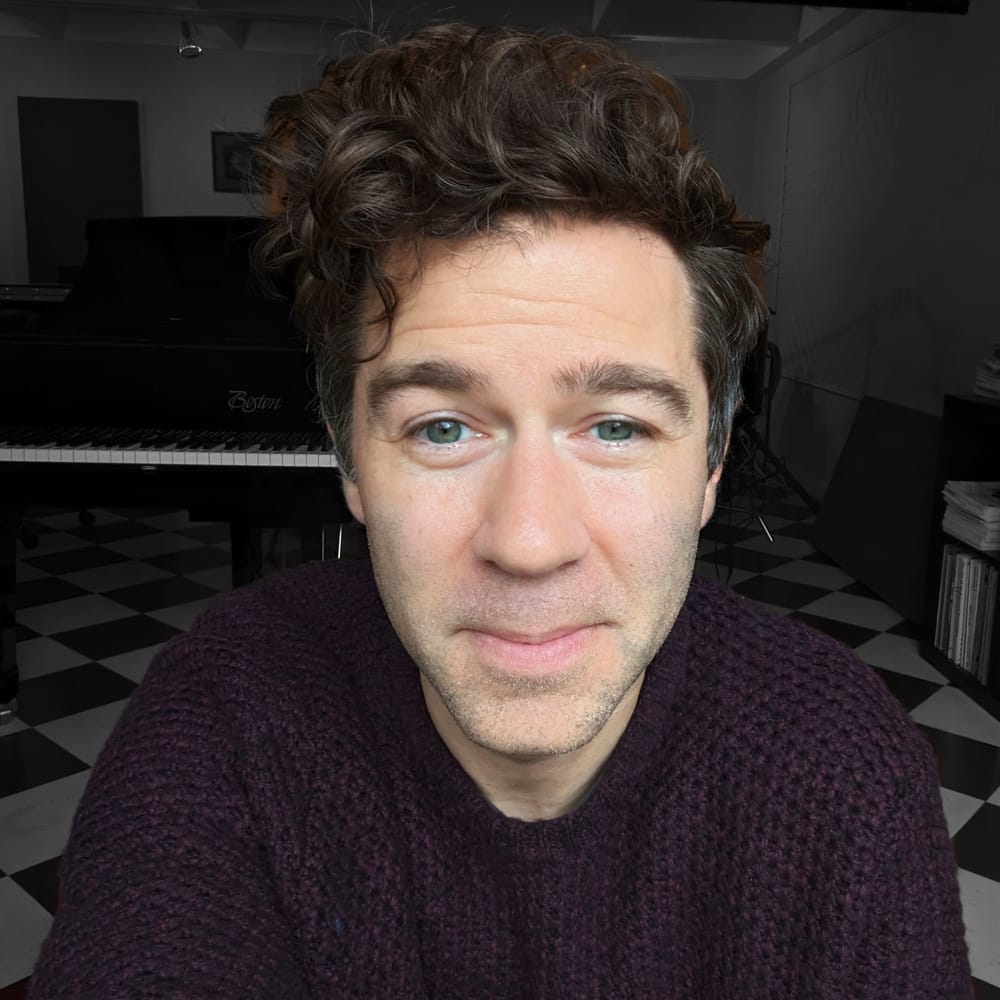
Hi! I'm Randy Peck, a classical piano teacher with a Master's degree in Piano Performance. 20 years of teaching piano taught me to love and appreciate the process. I discovered (through lots of trial and error) the best pieces that work for students. My favorite is teaching the bridge from beginning to late-intermediate repertoire that will prepare you well for the masterpieces.
My mission is to restore music literacy to your education, to save you from the pitfalls of dumb apps, rote-learning, YouTube "tutorials", AI slop, and alternative notation gimmicks that won't serve you in the long-run.
Join me in Measure by Measure and discover how to enjoy your practice while learning real music and developing lasting skills.
Learn More About Measure by Measure
LESSON COLLECTION #1
"Piano Reading Solutions"
In this carefully curated library of repertoire, we'll go "Measure by Measure" through forgotten piano pieces that were composed specifically for people like you.
“I've been playing piano for about 30 years and have had numerous teachers, online and in person. I was first taken by Randy's emphasis on score reading, which is unique in my experience. His approach is fun, engaging, and original. I can heartily recommend his program to any piano student from beginners to more advanced students.”
- Beth S.
(MEMBER)
First Steps In Reading Music Notation
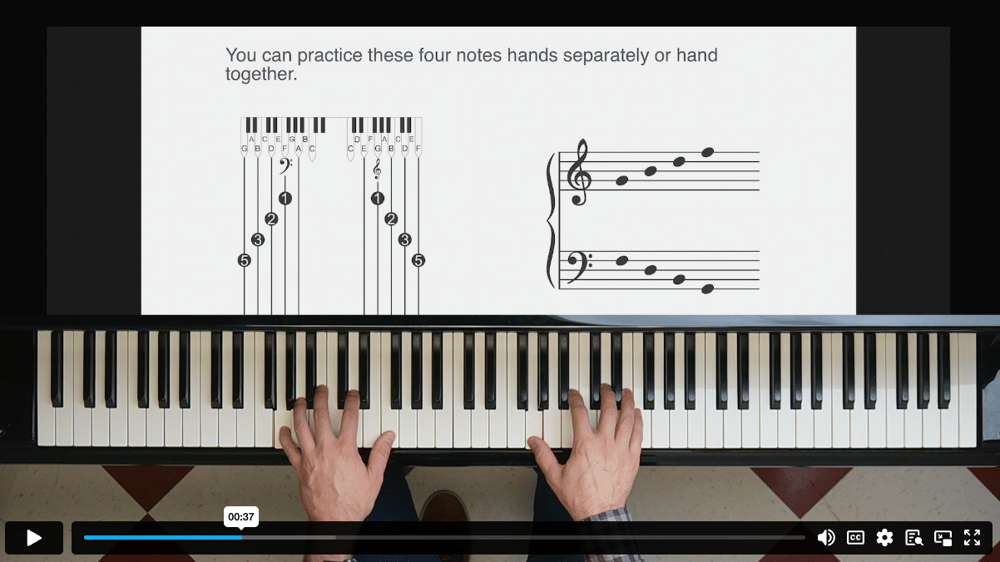
If you are just starting out, Measure by Measure will help you learn to read music in a very unique and fast way. I literally turn the music on its side, which I've seen produce the "aha" moment in people that have struggled for years to find their notes. Then I"ll teach you one chord that will make you instantly remember forever where the notes are.
From there you'll practice some drills (that takes seconds to minutes) to create an instant reaction in your hands any time you look at sheet music. Next you'll build your understanding of note relationships with "Beyond the Notes" and apply "7 Habits" that will basically guarantee your success. You'll then jump into one of the best pieces ever written that every pianist should learn, Bach's Prelude in C major.
$97 Value
THE STAFF-TO-KEYS SOLUTION
A UNIQUE APPROACH TO BEGINNING RIGHT
Don’t just learn the note names, learn to GO to the keys efficienctly. With the Staff-to-Keys solution you’ll learn to read music comprehensively so you can skip the infantilizing method books and get right to real music.
THE STAFF-TO-KEYS SOLUTION
$97 Value
A UNIQUE APPROACH TO BEGINNING RIGHT
Don’t just learn the note names, learn to GO to the keys efficienctly. With the Staff-to-Keys solution you’ll learn to read music comprehensively so you can skip the infantilizing method books and get right to real music.
BEYOND THE NOTES
RELATIONSHIPS IN PIANO READING
Learn to flow with sheet music (the professional way) by comprehending multiple notes at once. With "Beyond the Notes" you’ll super-charge your sheet music reading by learning how the notes fit together in musical relationships.

$120 Value
BEYOND THE NOTES
$120 Value
RELATIONSHIPS IN PIANO READING
Learn to read music (the professional way) by comprehending multiple notes at once. With Beyond the Notes you’ll super-charge your sheet music reading by learning how the notes fit together in musical relationships.
$80 Value
7 HABITS FOR BEGINNER SUCCESS
ESSENTIAL BEGINNER TECHNIQUE
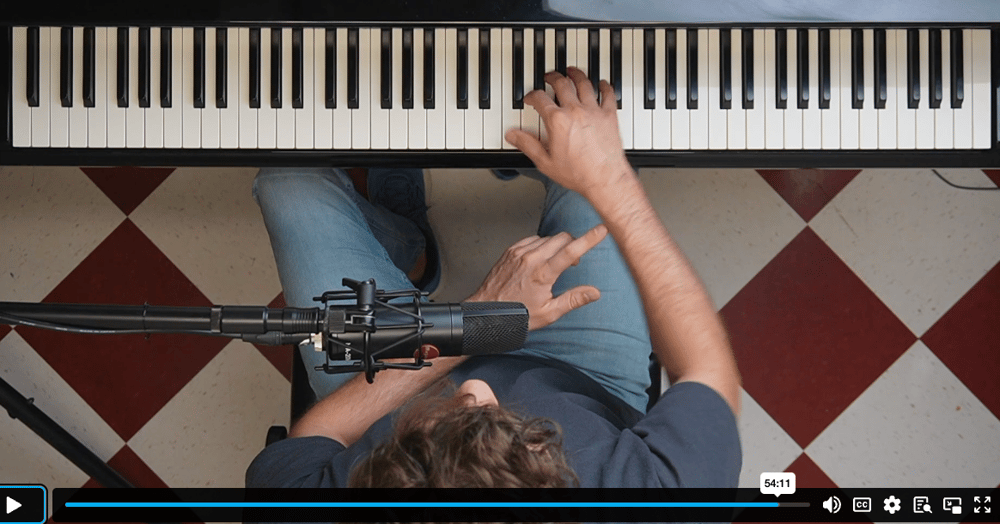
Set up your technique with these critical habits. The "7 Habits For Beginner Success" apply to every note you will ever play, from the very first touch of the piano to your most virtuosic future performance.
7 HABITS FOR BEGINNER SUCCESS
$80 Value
ESSENTIAL BEGINNER TECHNIQUE
Set up your technique with these critical habits. The "7 Habits For Beginner Success" apply to every note you will ever play, from the very first touch of the piano to your most virtuosic future performance.
THE GENESIS
OF PIANO
BACH'S PRELUDE IN C
The one piece of music I truly believe every pianist should learn no matter what is Bach’s Prelude in C. The “Genesis” of piano music started with Bach’s celebration of what keyboard music could really be. This prelude is not only beautiful, it’s an opportunity to practice piano literacy habits that will set you on a course to become a truly gifted Piano Reader.

$200 Value
THE GENESIS
OF PIANO
$200 Value
BACH'S PRELUDE IN C
The one piece of music I truly believe every pianist should learn no matter what is Bach’s Prelude in C. The “Genesis” of piano music started with Bach’s compositions in every key, which celebrated what keyboard music could really be. This prelude is not only beautiful, it’s an opportunity to practice piano literacy habits that will set you on a course to become a truly gifted Piano Reader.
Measure-by-Measure Practice Principles
Learn the frameworks for practice that make all the difference in your practice. If you can learn how to read music the way professionals actually do it and not how children are taught, you will read without counting lines, recalling mnemonics, or starting every piece on middle-C. Comprehensive rhythm training will help you work out any rhythm you could possibly encounter in the annals of music history, forever and always.

(This is an AI picture and I believe in being transparent about that kind of thing)
The best tactics for efficiently polishing your pieces without thousands of repetitions
Learn the steps to playing anything you want, as fast as you want, with finesse and style
Absorb your music with easy steps, no matter how hard the music is ...
Sight Reading Secrets
Your Bridge to Piano Literacy

- Identify your unique musical strength (you have one and I'll help you uncover it)
- Unleash your spontaneous sight reading skills like never before
- Finally play confidently without even glancing at your hands
- Overcome your visual overwhelm and anxiety when looking at sheet music
- Learn the guiding principles for best-practice fingerings, on the fly
- Eliminate hesitations, hiccups and double-takes in your piano reading
This is the course that started it all for me. I taught “Sight Reading Secrets” to all my students as an independent piano teacher. I felt the need to record these principles and get them out there. After enormous positive feedback from my online students, they expressed a desire to have a venue for putting the principles into action, which is what lead me to develop the next library, the “Repertoire Refinery” ...
LESSON COLLECTION #2
"The Repertoire Refinery"
In this carefully curated library of repertoire, we'll go "Measure by Measure" through forgotten piano pieces that were composed specifically for people like you.
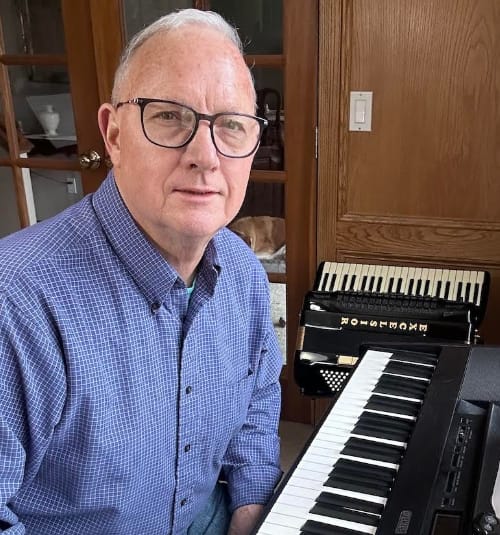
“It's like having a personal one-on-one lesson on specific pieces of music. Randy's approach has helped me to try music that I would not otherwise have tried, much less would I have found it on my own. It's all excellent and I think that I have found a great resource to promote my ongoing music practice and piano.”
- Ken H.
(member)
Roll Over, Beethoven
Teaching piano for nearly 20 taught me the best area of music for helping students absorb piano skills. This area of piano music has been neglected (to the detriment of piano education) by almost every online teacher!
I'm referring to the forgotten music of the contemporaries of the famous composers.
You've heard of Beethoven, Mozart, and Chopin, but most don't realize there were hundreds of composers who lived in the shadows of the masters. Since they didn't receive the same kind of fame, they didn't all become "legends" of classical music.
In many cases, the composers were just as talented as the "wigged" composers you see on busts in music schools. They spoke the same musical language, and they often alongside the masters.
Composers like Thomas Attwood (Mozart’s student), Carl Reinecke (a protégé of Mendelssohn), Burgmuller, Gedike, Heller, Scharwenka and many many more!
To make a living they published music specifically for people who were looking for great sheet music to play at home.
They wrote miniature masterpieces, but they're more accessible to pianists who don't necessarily practice for hours a day. They require the same skills to play, but a fraction of the discipline and dedication.
Learn Like a Grown Up
“The biggest revelation was that I could start with real music that I wanted to play instead of starting with a method book that was designed for kids.”

- Kathy L.
(member)
Most beginning piano methods are intended for children. After a lifetime of learning, it feels infantilizing to work with materials intended (literally) for kindergarteners.
What every qualified piano teacher knows is that most of your learning happens in the repertoire. By choosing the right piece at the right time, you have music with depth and beauty that can take your learning deeper than any workbook, method book, or technique book ever could.
How I Choose the Pieces
I've scoured the collections of piano music to find music that suites beginner piano players in their journey to intermediate playing, and intermediate players making their journey to the masterworks. While I can't teach every conceivable piece, the pieces I choose for the program must satisfy each of these criteria:
- It's APPROACHABLE - it makes skill development happen naturally because the pieces exploit only a few mechanics at a time. I specifically look for pieces that work as “etudes” or teaching pieces.
- It BOOSTS LITERACY - it will challenge you in all the right ways. My goal is for you to exercise your music literacy every day, and these pieces work wonderfully for practicing the process of absorbing music from sheets.
- It's INTERESTING - it has to be beautiful. It has too have some fun-to-play details that inspire you to get expressive with the music. It also has to sound grown-up. No infantilizing method-book music aloud.
- It BRIDGES THE GAP - so many people get stuck in the late-beginner phase and they don’t know where to look for music that will bridge them into the masterpieces. They end up feeling forever overwhelmed and never able to tackle the mammoth pieces of piano literature.
- It's CREATIVELY INSPIRING - There are creative ideas you can “steal” for your own improvising or songwriting. While this isn’t the main point, improvisation and playfulness in your practice will build your confidence and creativity like nothing else.
Some of the beautiful pieces featured in the Measure by Measure lessons
Handel-Halvorsen: Passacaglia
This piece is a transcription of a piece written for Violin and Viola by GF Handel. Halvorsen arranged it for piano and it's one of the most beautiful "Passacaglia". What makes it great is the opportunity to build a theme over a repeated left hand pattern, which also prepares you for music with challenging left-hand, like works by Chopin and other romantic composers.
Flotow: Prayer from the Opera "Stradella"
This prayerful melody gives you the chance to practice balancing between the hands, shaping a phrase in the right hand, and controlling a left hand accompaniment. Not only will you learn great skills, you'll sound beautiful in the process.
Moniuszko - Chimes from the Opera "The Haunted Manor"
Opera transcriptions often provide excellent music for beginner and early-intermediate students because it was composed with the intention of telling a story. While most of the well-known piano composers wrote most of their pieces in well-known forms (like Sonatas), they don't exactly spark the feeling of a story. Imaginative playing can come from many places, but I love pieces like this that showcase a relatable enchanted vibe.
Heller, Op. 138 No. 19 - Tziganyi
Inspired by Hungarian folk music, Stephan Heller composed many short pieces that are beautiful, fun to play, and teach amazing piano skills. Playing music like this before trying to tackle Liszt, Chopin, or Scriabin is a must.
Experience Your Next "Unlock"
Join "Measure by Measure" Today
- 5-Finger beginner pieces
- extensive repertoire collection
- Deep-Dive piano Principles
- Count out loud rhythm training
- Sight Reading Secrets
- Practice Frameworks
- scales and technique lessons
- AND Much More!
Annual Members - Save $54.00
Learning an instrument takes consistency and time. I know, not exactly "sales page" language, but it's true. I'm here for you on your journey for the long haul. Annual members save $54 (that's 2 months FREE), plus they receive access to the Techniques module, where we break down scales, arpeggios, broken chords, and more!
Membership
Frequently Asked Questions
In Measure by Measure, we start with the basics, to make sure you're confident reading music. The trainings is concise, comprehensive and practice-oriented. After that, your job is to apply the frameworks to all the music you learn. Lots of beginner-friendly music is in the library of lessons.
The Repertoire Refinery is full of hidden gems especially for intermediate students. Yes - Measure by Measure is great for intermediate students, all the way to early-advanced students.
You can use Measure by Measure all by itself, or use it to supplement your other studies with an in-person piano teacher. Most members do not have a private piano teacher.
Like any program, you get out what you put in. Decide what consistent practice looks like for you. If that’s twice a week, that’s a great place to start! I'll explain my "4-Measure Promise" that will help you make progress even if you don't have the most consistent practice.
It is self-paced. I'm here to point you in the right direction and answer questions whenever you need.
I'll keep you engaged as I roll out new content and repertoire for the membership, but you can work through it at whatever pace feels comfortable. If you have a busy month, just pick up where you left off or start a new piece - it's very flexible.
Any piano or keyboard will work.
I recommend viewing lessons on a tablet or laptop, but a phone or desktop can work too.
To access any of the content you’ll need a current subscription. You will lose access to the content after the end of your last-paid month of membership once you cancel. See the Terms of Service for more details.
Yes. You can cancel any time. After you cancel you won't be charged again.
I do not offer a free trial. I do everything I can to keep Measure-by-Measure as accessible as possible with a low monthly payment. If you're looking for a sample of my teaching, I provide a limited number of lessons on my YouTube channel and I invite you to watch there for a "vibe check".
Yes. $270 per year saves you $54 and grants you access to the Technique module.
You can upgrade to annual at any time and it will prorate your current billing period towards the annual.
YouTube tutorials are almost always “learn by rote” experiences. They don’t foster your music literacy by requiring you to read.
You won’t find music like this on YouTube. The search-based “algorithm” means that YouTube pianists only teach the popular songs that everybody knows, regardless of whether or not those are actually good repertoire for the use of learning piano skills.
The Measure by Measure frameworks and principles that I reinforce with the unique repertoire are what set this apart from random YouTube lessons.
Mostly classical music.
You can apply the principles you learn to any other music. With this approach, you will see more carry-over than you can imagine.
I use classical music for a couple of reasons - one is to make sure that I comply with all copyright laws. Most programs illegally use copyrighted music without obtaining a license to use it.
My experience teaching piano for over 20 years also taught me that this music is the best venue for learning skills at the piano, regardless of your goals. If you want to play classical, jazz, pop, gospel, or anything in between, there is no disadvantage to learning classical music as your foundation, but huge disadvantages if you do not. It will only serve you in the long run.
Umm, yes! Like, that’s the whole thing.
Yes, there is a community feature to the program for asking questions and feedback opportunities. I consider the community a “perk”, not a core feature of the program. It’s there for us to use and I engage in it as best as I can, but it’s not required for your use of the program.
I answer every question that comes up in the community (give me a day or two), but I can’t guarantee that I’ll have time to personally answer every concern that comes up.
©2026 STEARN LLC
15516 73rd PL NE, Kenmore WA, 98028